Elementary Book Review
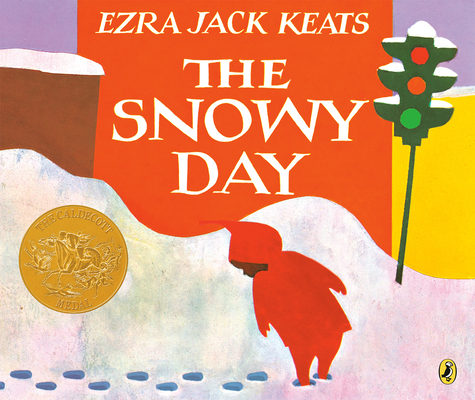 The Snowy Day follows Peter as he explores his neighborhood after the season’s first snowfall. Through simple actions—making footprints, building a snowman, saving a snowball—Peter experiences wonder, curiosity, disappointment, and joy. The story captures a child’s perspective of discovery and emotional growth through ordinary experiences, supported by expressive collage illustrations that extend meaning beyond the text.
Main Ideas
Themes:
- Wonder and Discovery: Peter’s exploration of snow highlights curiosity and joy in everyday experiences.
- Independence: Peter navigates his neighborhood alone, showing growing confidence and autonomy.
- Resilience: Moments of disappointment (the snowball melting) are met with acceptance and hope.
- Patience and Anticipation: Peter learns to wait—both for the snowball and for another snowy day.
- Joy in Simple Moments: The story emphasizes finding happiness in ordinary experiences.
Writing Style:
- Simple, precise language that mirrors a child’s natural thought patterns.
- Short, declarative sentences that support early readers while conveying emotional shifts.
- Repetition and patterned sentences used for emphasis and rhythm.
- Strong sensory language (sound, touch, movement) that supports visualization.
- Illustration-driven storytelling: Meaning is shared between text and collage illustrations, requiring readers to integrate both.
- Child-centered point of view that reflects authentic curiosity and emotional responses.
Educational Value:
- Supports early comprehension skills: Sequencing, retelling, and identifying key events.
- Builds inferential thinking: Students interpret feelings and meaning through actions and illustrations.
Text Complexity Map
Title: A Snowy Day Author: Ezra Jack Keats
Publisher: Viking Press Publication Date: 1962 Pages: 32
Genre: Realistic Fiction / Picture Book
- Strengthens theme development: Demonstrates how authors convey theme through small moments rather than explicit statements.
- Encourages sensory and descriptive writing: Serves as a strong mentor text for adding detail and imagery.
- Promotes social-emotional learning: Addresses emotions such as excitement, frustration, patience, and joy.
- Accessible across grade levels:
- Primary: Decoding, fluency, basic comprehension
- Upper elementary: Author’s craft, theme, POV, and illustration analysis
- Primary: Decoding, fluency, basic comprehension
- Culturally significant: One of the first mainstream picture books to feature a Black child protagonist in an everyday, joyful context, supporting inclusive classroom libraries.
Quantitative Measures of the Text:
Range: 2–3 Band: 420L–820L
Grades K–2 (primary use)
Grades 3–4 (mentor text use) for:
- inference
- theme
- point of view
- author’s craft
- illustration analysis
Associated Band Level:
While the Lexile is accessible, the qualitative demands (inference, symbolism, emotional understanding) make it valuable beyond early decoding stages.
Qualitative Measures of the Text
|
Levels of Meaning/Purpose: Moderately Complex
|
|
Structure: Moderately Complex
|
|
Language Clarity and Conventionality: Slightly to Moderately Complex
|
Knowledge Demands: Slightly to Moderately Complex
|
Reader and Task Considerations:
|
Motivation: High student engagement due to relatable experiences and visual storytelling. Background Knowledge:
Complexity of Tasks:
|
Overall Complexity: Low to Moderate Complexity. Simple language paired with rich inferential and emotional depth makes the text ideal for both early readers and upper-elementary analysis when used intentionally.
Mentor Text Teaching Points
Reading Skills:
- Using illustrations as text evidence
- Inferring emotions from actions
- Identifying theme from small moments
- Exploring point of view (child’s perspective)
- Understanding how authors show—not tell—feelings
Writing Skills
- Personal narrative: A special day I remember
- Sensory writing using sight, sound, and touch
- Sentence expansion using descriptive details
- Retelling with beginning, middle, end
- Writing from a child’s point of view
Language, Grammar & Conventions
- Simple and compound sentences
- Action verbs (crunched, dragged, packed)
- Adjectives for sensory detail
- Capitalization and punctuation in narrative sentences
Vocabulary: Footprints, Crunch, Drag, Firm / soft. Melt
Disappointed
Excited
Exploration
Mentor Sentence
“Salva had learned to walk tall and straight, no matter how he felt inside.”
Teaching Points
- Shows internal conflict through external action
- Demonstrates how authors show strength
- Supports sentence expansion and analysis
Model Expansion:
Salva learned to walk tall because survival required courage even when fear followed him.
Check out our other teaching literacy book recommendations for elementary and middle school.